Views: 0 Author: Site Editor Publish Time: 2025-11-24 Origin: Site
Blood is one of the most vital diagnostic materials in medicine. From detecting infections to evaluating organ function and monitoring treatment progress, blood tests are central to modern healthcare. But behind every accurate test result lies a small yet crucial tool—the Blood Collection Tube.
These tubes, though seemingly simple, play a pivotal role in ensuring the quality, reliability, and safety of blood samples during collection, storage, and analysis. This article explores what blood collection tubes are, how they are used, their types, components, and the advanced technologies behind them.
A Blood Collection Tube is a sterile container used to collect, transport, and preserve a patient’s blood sample for laboratory testing. It forms the foundation of every Blood Collection System, working in combination with needles, holders, and safety devices to ensure precise and contamination-free sampling.
Each tube is designed with specific additives, materials, and color-coded caps that correspond to different testing purposes. Whether for hematology, biochemistry, or immunology, the correct tube type guarantees accurate diagnostic results and safe specimen handling.
The primary purpose of a Blood Collection Tube is to preserve blood integrity and stabilize its components until laboratory testing is performed. Without proper collection and preservation, blood cells could degrade, clotting could occur prematurely, or chemical values could change—leading to inaccurate results.
Additionally, these tubes ensure:
Safe sample collection without exposure risks.
Separation of blood components like plasma and serum for specific tests.
Standardized volumes and additives for reproducibility.
Leak-proof storage to avoid contamination or spillage.
Thus, the Blood Collection Tube is not just a container—it’s a controlled micro-environment that maintains the sample’s diagnostic value.
Modern Blood Collection Tubes are carefully engineered to meet international standards in medical diagnostics.
The tube body is typically made of PET (polyethylene terephthalate) or glass. PET tubes have become the industry standard due to their lightweight, unbreakable, and transparent properties.
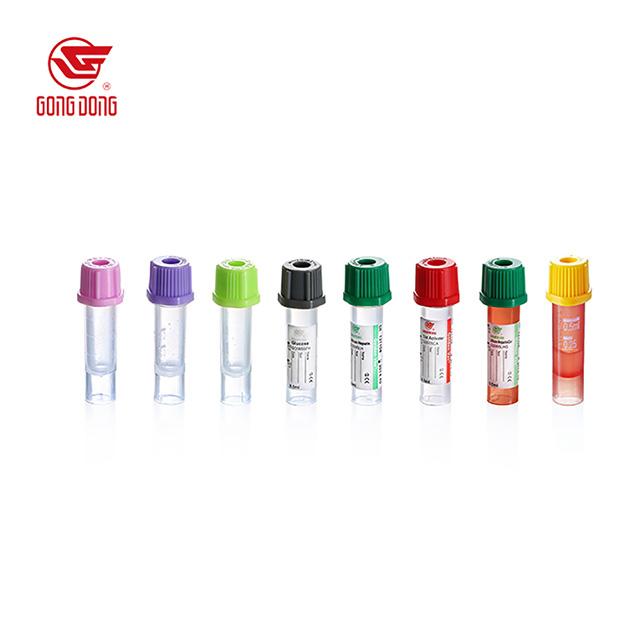
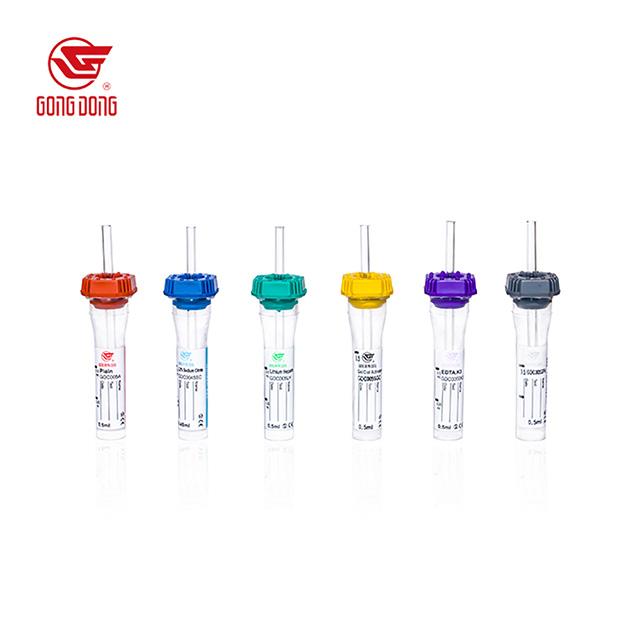
Each tube features a color-coded cap that identifies the additive type and testing purpose—red for serum, lavender for EDTA, blue for coagulation, and so on. The caps are airtight, maintaining internal vacuum pressure essential for drawing precise blood volumes.
Different additives are used to prevent clotting, separate plasma, or preserve specific blood components. Examples include:
EDTA (Ethylenediaminetetraacetic acid) – Prevents coagulation in hematology tests.
Sodium citrate – Used in coagulation studies.
Clot activator and gel separator – Facilitate serum collection.
Fluoride/oxalate – Preserves glucose levels in biochemical tests.
High-quality Blood Collection Tubes feature clear labeling for traceability, ensuring proper identification and minimizing errors during laboratory workflows.
The Blood Collection Tube operates as part of a closed Blood Collection System, which minimizes contamination and ensures accurate sampling.
Here’s how it works:
A sterile needle is inserted into the vein using a needle holder.
The tube’s vacuum draws a precise amount of blood into the container.
Once filled, the tube is gently inverted several times to mix the blood with its additive.
The sealed tube is then labeled, stored, and transported to the lab for analysis.
This simple yet highly controlled process ensures sample reliability while maintaining patient comfort and safety.
Blood collection tubes are classified by their cap color, which indicates the additive and test type.
Contain no anticoagulant; used for serum-based tests such as hormone, chemistry, and immunology analyses.
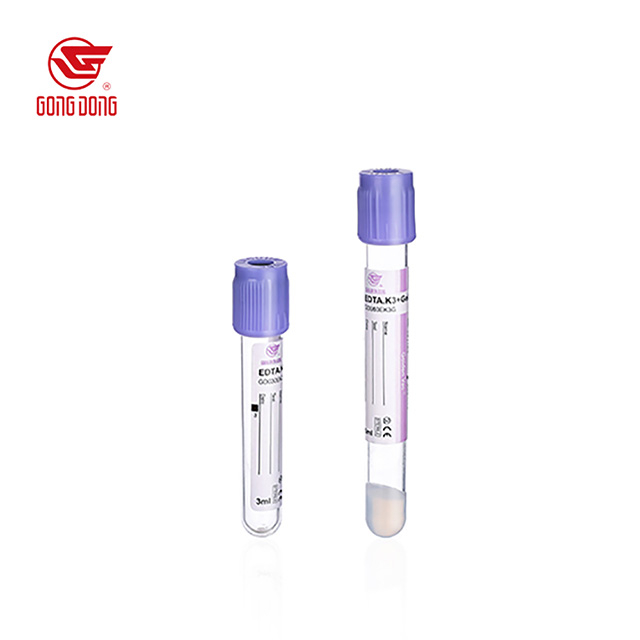
Contain EDTA to prevent clotting; ideal for hematology tests like complete blood counts (CBC).
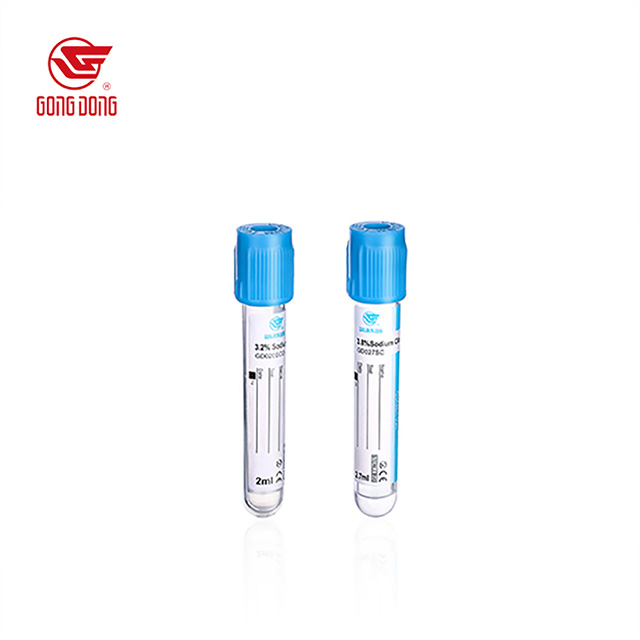
Used for coagulation studies, including PT and APTT tests, where accurate clotting time measurement is critical.
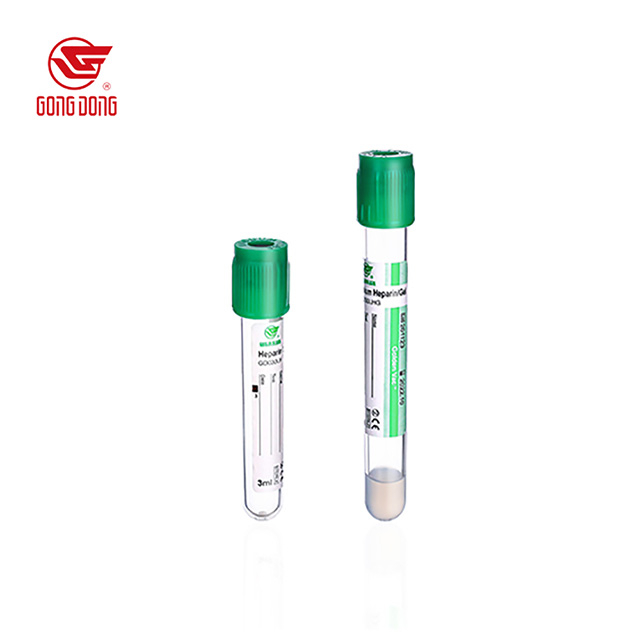
Contain lithium or sodium heparin, preventing clotting for plasma-based chemistry tests.
Contain fluoride and oxalate to preserve glucose levels, used in diabetes and metabolic assessments.
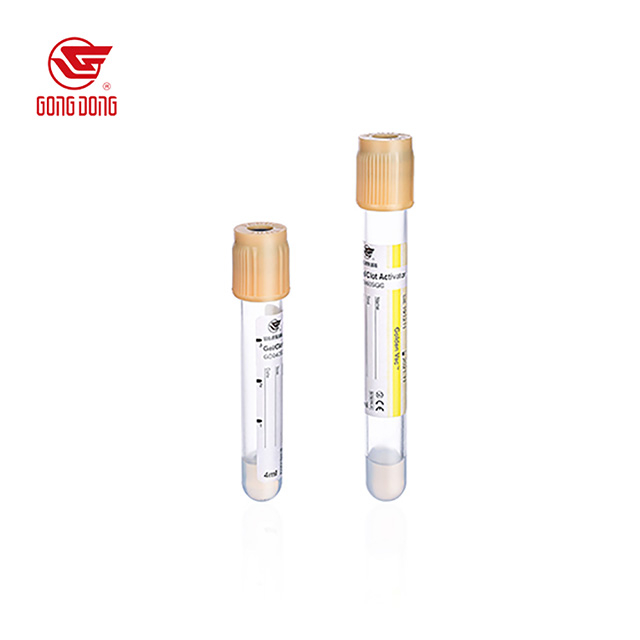
Include clot activator and gel barrier for serum separation, ensuring clear serum for biochemistry analysis.
Each tube type ensures precise and reliable diagnostic performance within the Blood Collection System.
The use of reliable Blood Collection Tubes directly impacts diagnostic accuracy and patient care.
Key advantages include:
Consistent specimen quality with standardized additives.
Leak-proof and durable PET construction for safety during transport.
Compatibility with automated analyzers, enhancing laboratory efficiency.
Reduced hemolysis risk due to optimized vacuum design.
Improved patient comfort with smoother venipuncture and quick processing.
High-quality Blood Collection Tubes are produced in controlled environments to maintain sterility and precision.
Gongdong’s Blood Collection System exemplifies these standards:
Produced in advanced cleanroom facilities.
Supported by over 100 automated injection molding machines.
Ensures consistent additive volumes and precise vacuum control.
Complies with ISO13485, CE, and FDA certifications.
Strict inspection protocols guarantee each tube’s safety, transparency, and accuracy—meeting global healthcare standards for reliability and performance.
The most common use is in hospitals and diagnostic laboratories for blood testing—ranging from routine tests to advanced analyses such as hormone profiling and infection screening.
In biomedical research, Blood Collection Tubes are used for studies involving plasma proteins, DNA extraction, and pharmacological trials.
Used for screening donated blood samples to ensure safety before transfusion.
Veterinary diagnostic labs also rely on Blood Collection Tubes to test animal samples under the same stringent quality conditions.
Certain modified tubes are used for non-clinical sampling, including food safety and environmental analysis.
Without reliable Blood Collection Tubes, laboratory diagnostics would face major challenges in accuracy and efficiency.
They help laboratories achieve:
Standardized specimen collection protocols
Accurate test reproducibility
Reduced manual handling risks
Enhanced biosafety and workflow automation
As laboratory medicine advances toward automation and precision diagnostics, the importance of Blood Collection Systems and high-quality consumables continues to grow.
With over 40 years of experience in manufacturing medical devices and laboratory consumables, Gongdong has become a trusted name in the global diagnostics industry.
Made from premium PET material ensuring clarity and durability.
Produced in ISO-certified cleanrooms to prevent contamination.
Accurate additive dosing for reliable test results.
Leak-resistant design for safe transport and storage.
Compatible with automated laboratory analyzers.
Supported by strong R&D capability and automated production lines, Gongdong’s Blood Collection System includes not only tubes but also needles, holders, and sharps containers, forming a complete, integrated solution for safe venous blood sampling.
Trusted by top healthcare brands and exported to 130+ countries, Gongdong continues to lead in quality, safety, and innovation—supporting laboratories worldwide in achieving diagnostic precision.
1. What are blood collection tubes used for?
Blood collection tubes are used to collect, store, and preserve blood samples for laboratory testing. They ensure accurate, safe, and contamination-free sample handling.
2. Why do blood collection tubes have different colors?
Each color represents a specific additive and test type—for example, lavender for EDTA, blue for coagulation, and red for serum tests.
3. Can blood collection tubes expire?
Yes. Each tube has an expiration date, after which the vacuum and additive performance may degrade, affecting test accuracy.
4. What material is best for blood collection tubes?
PET plastic is preferred for its strength, transparency, and safety. It’s unbreakable and compatible with automated analyzers.
5. Does Gongdong provide custom blood collection tubes?
Yes. Gongdong offers OEM and customized Blood Collection Systems, including tailored tube specifications, labeling, and packaging to meet partner requirements.