Views: 0 Author: Site Editor Publish Time: 2026-10-26 Origin: Site
Ordering centrifuge tubes involves more than comparing price and capacity. Laboratories should also review performance, material, packaging, documentation, and supplier reliability.
A practical centrifuge tubes ordering guide should help buyers match tube specifications to actual laboratory workflows before bulk procurement.
Check RCF: Confirm the maximum centrifugal force for the exact tube size and design.
Match the material: Tube material should suit the intended chemicals, temperature, and application.
Review the closure: Cap fit and thread quality affect sealing and routine handling.
Confirm cleanliness requirements: Sterile, RNase/DNase-free, or other specifications should match the application.
Evaluate the supplier: Compare documentation, samples, packaging, lead time, and supply capability.
The first step is to define how the centrifuge tube will actually be used.
Before requesting quotations, confirm:
Required tube volume
Maximum operating RCF
Rotor and adapter type
Storage and operating temperature
Chemical exposure
Sterility or biological cleanliness requirements
These requirements help narrow the product range before price comparison begins.
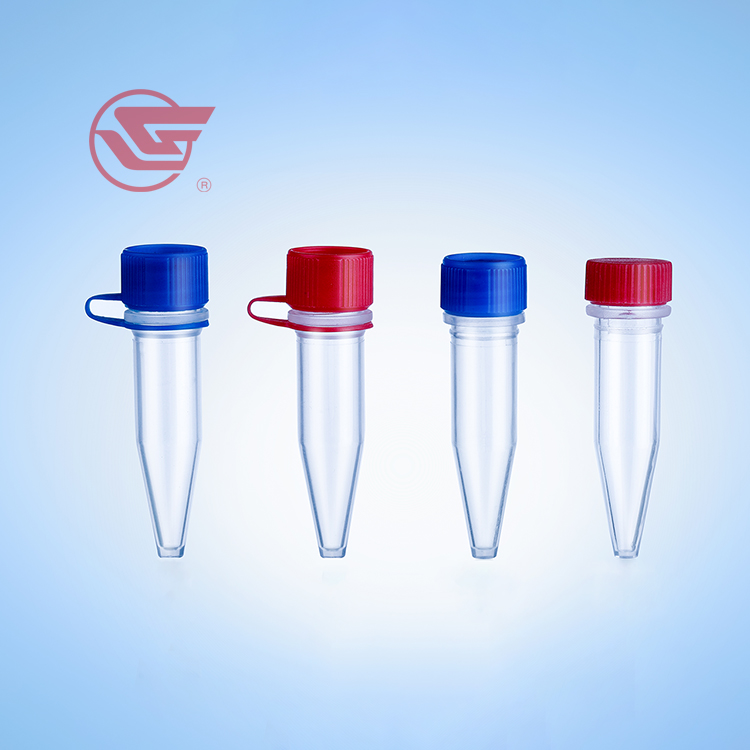
Different workflows may require micro centrifuge tubes, standard conical tubes, or supporting racks.
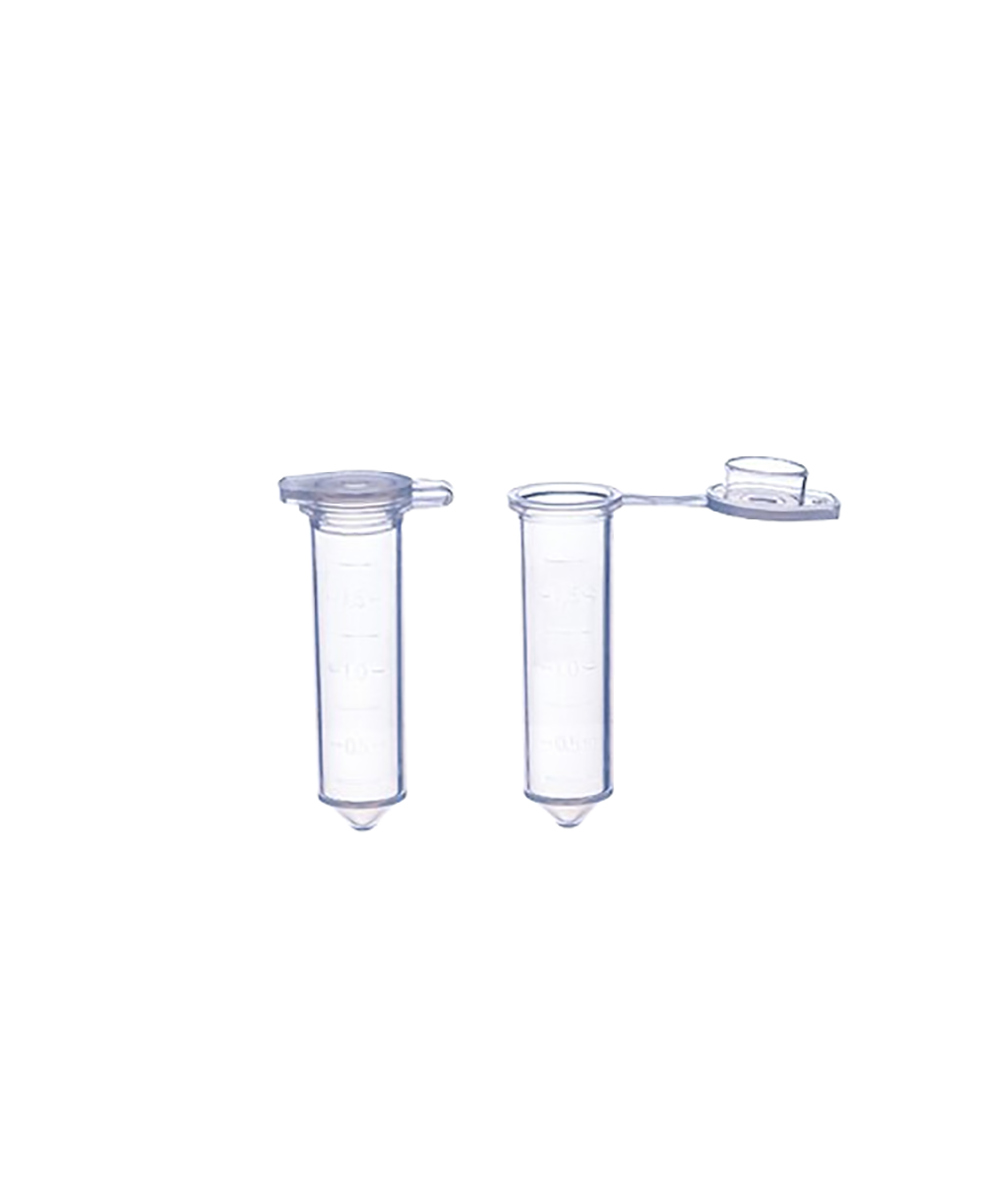
Gongdong's 2ml conical centrifuge tube is made from clear, chemical-resistant polypropylene and is specified up to 9,000 ×g RCF. The product also includes graduations and a writing area. :chatgpt-content-reference{index="3"}
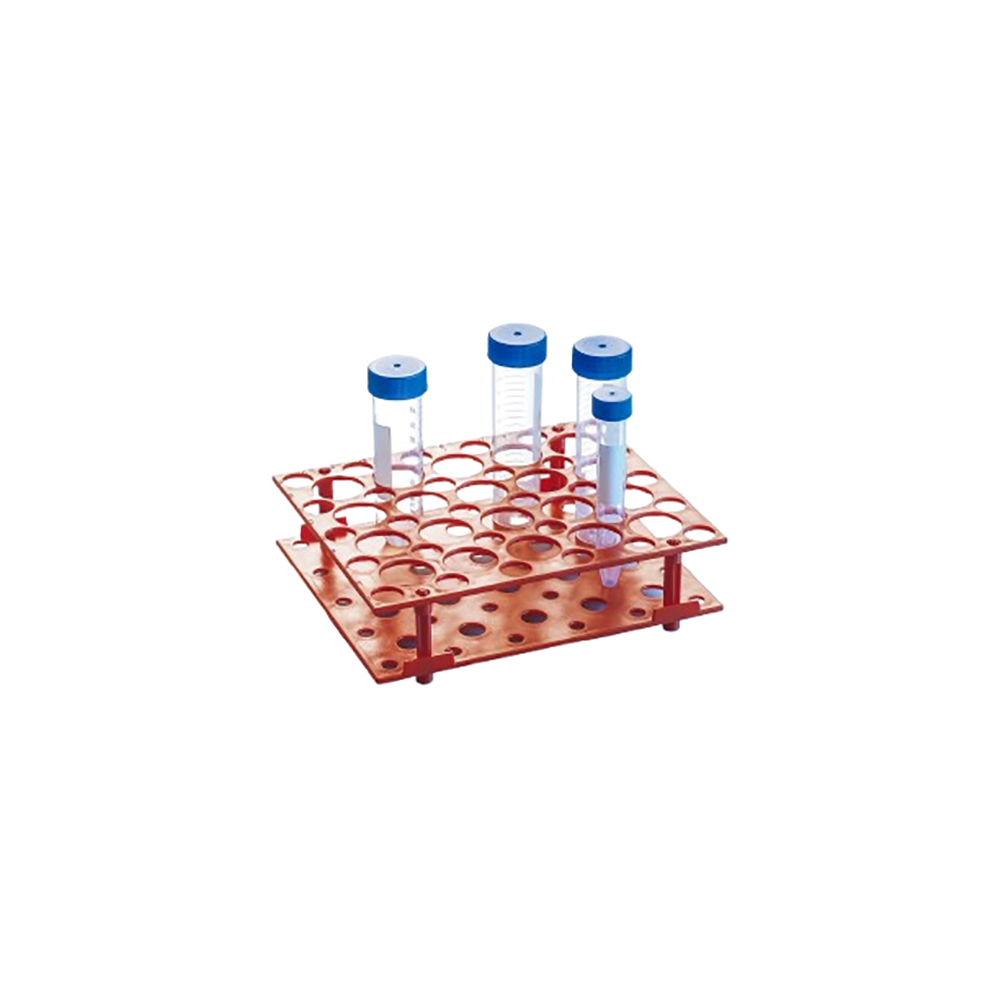
The 1.5ml micro centrifuge tube offers a compact format for small-volume separation, while the 15ml and 50ml rack supports organized handling and identification of larger tubes. :chatgpt-content-reference{index="4"}
RCF should be checked for the exact tube being purchased. RPM alone does not describe the actual centrifugal force applied to the tube.
Ask the supplier:
What is the published maximum RCF?
Does the limit vary by tube size?
What rotor or adapter conditions apply?
What temperature range is specified?
Are there special storage restrictions?
For example, Gongdong states that its 2ml conical centrifuge tube can withstand centrifugal forces up to 9,000 ×g, with some types specified from -80°C to +121°C. :chatgpt-content-reference{index="5"}
Material and cap design affect chemical compatibility, sealing, and routine use.
When reviewing a PP centrifuge tube, consider:
Tube material and transparency
Cap type and thread fit
Leak resistance under intended use
Graduation readability
Writing or labeling area
Do not assume all polypropylene tubes have identical chemical or temperature limits. Use the manufacturer's specification for the exact model.
Different applications require different levels of cleanliness.
Depending on the workflow, buyers may need to confirm:
Sterile or non-sterile supply
RNase/DNase-free specification
Pyrogen or endotoxin requirements
Human DNA-free requirements
Other application-specific documentation
These claims should be checked individually. A product described as sterile is not automatically suitable for every molecular biology or cell culture workflow.
Packaging can affect storage space, handling time, and daily laboratory organization.
Option | Main Advantage | Consideration |
|---|---|---|
Bulk Packaging | Efficient for high-volume purchasing | May require additional handling and storage organization |
Smaller Packs | Convenient for lower usage volumes | Higher packaging frequency |
Tube Racks | Improve sample organization and benchtop handling | Confirm rack compatibility with selected tube sizes |
Gongdong's 15ml and 50ml centrifuge tube rack uses an alpha-numeric grid for tube identification and is designed for both tube sizes. :chatgpt-content-reference{index="6"}
A suitable product should also be supported by consistent manufacturing and reliable supply.
Ask potential suppliers about:
Product specifications: Material, dimensions, RCF, temperature range, and packaging.
Quality documentation: Applicable certifications, technical data, and batch information.
Production capability: Capacity for repeat and large-volume orders.
Lead time: Typical production and delivery periods.
Technical support: Availability of samples and product-selection assistance.
Representative samples can help confirm whether a new tube fits the laboratory's existing workflow.
Sample evaluation may include:
Tube and rotor fit
Cap opening and closing
Graduation readability
Routine centrifugation performance
Packaging and labeling
Testing should remain within the manufacturer's published limits and the laboratory's approved operating procedures.
Item | Check Before Ordering |
|---|---|
Capacity | Does the volume match the workflow? |
Material | Is it compatible with the intended sample and reagents? |
RCF | Does the published limit meet the centrifugation requirement? |
Temperature | Is the specified range suitable for use and storage? |
Closure | Does the cap fit securely for the intended application? |
Cleanliness | Are required sterility or biological specifications documented? |
Packaging | Does the format fit laboratory consumption and storage? |
Supplier | Are quality documentation, samples, lead time, and supply capability acceptable? |
A reliable centrifuge tube ordering process starts with the application. Capacity, RCF, material, temperature range, closure, cleanliness, and packaging should all be reviewed before price.
For new suppliers or specifications, representative samples can help confirm compatibility before bulk ordering.
For centrifuge tube selection, product samples, packaging options, technical specifications, or bulk sourcing requirements, contact Zhejiang Gongdong® Medical Technology Co., Ltd.
A: Start with tube volume, required RCF, rotor compatibility, material, temperature range, and application requirements.
A: Yes. RCF represents the actual centrifugal force applied to the tube, while RPM only describes rotor speed.
A: Micro centrifuge tubes are suitable for small-volume sample processing where compact dimensions and microcentrifuge compatibility are required.
A: Yes. Samples can help verify tube fit, handling, sealing, graduations, and routine performance before changing suppliers.
A: Review technical specifications, applicable quality documentation, packaging, lead time, production capability, and sample availability.