Views: 0 Author: Site Editor Publish Time: 2026-03-30 Origin: Site
Urine sample collection is a vital part of many diagnostic procedures, as it provides crucial information about a person’s health. It is commonly used to detect a wide range of conditions, from urinary tract infections and kidney diseases to diabetes and pregnancy. The process is simple yet significant, as it helps healthcare providers monitor health, diagnose diseases, and assess the effectiveness of treatments.
The role of urine containers in this process cannot be overstated. They are designed to ensure the integrity of the sample by preventing contamination, spillage, and degradation. By using the correct type of container, healthcare professionals can rely on accurate and uncontaminated samples, which are essential for making precise diagnoses and decisions.
Selecting the appropriate urine container is essential for ensuring the accuracy and integrity of urine sample collection. There are several types of containers designed for different testing needs, and understanding these options is critical for choosing the right one based on the test being performed.
Sterile Urine Containers
Sterile containers are pre-packaged and sealed to maintain a contaminant-free environment. These containers are essential for tests where sample contamination could impact results, such as urine cultures, drug screenings, and tests that require high levels of accuracy. They ensure that the sample remains uncontaminated from collection through transportation.
Non-Sterile Urine Containers
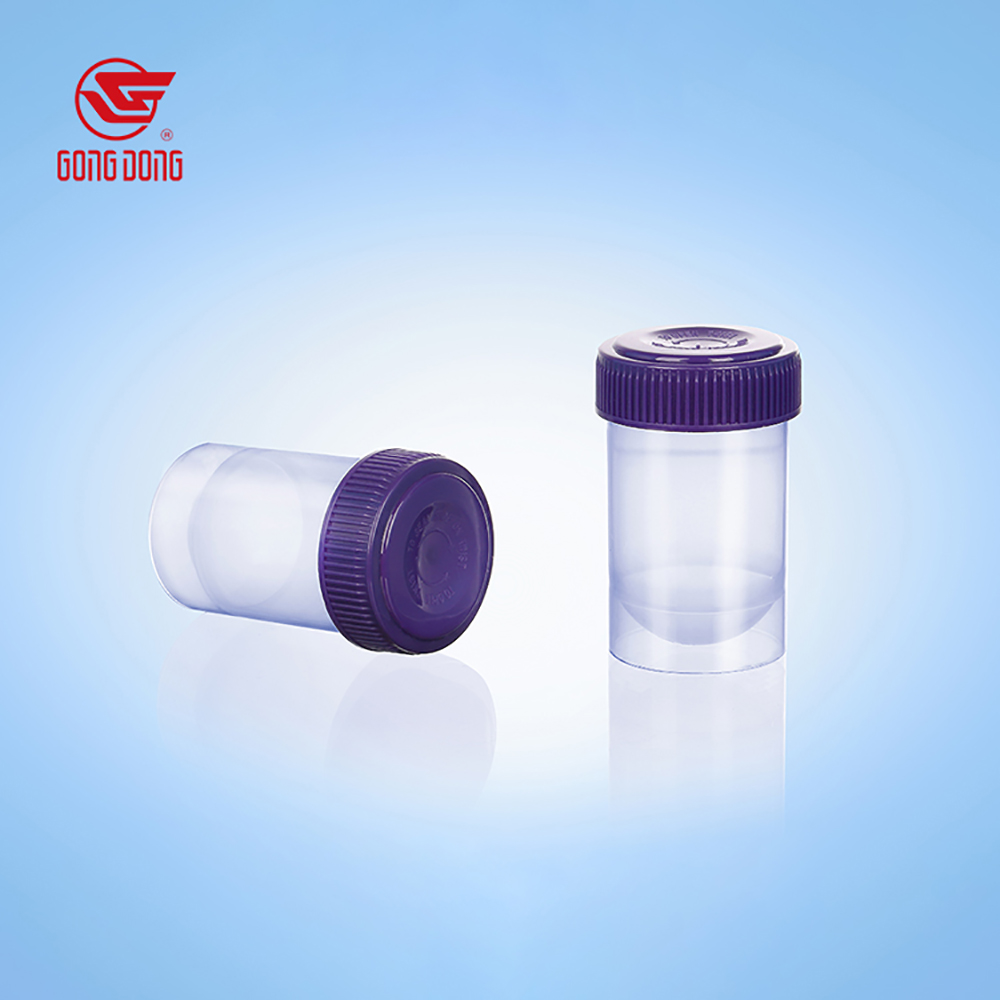
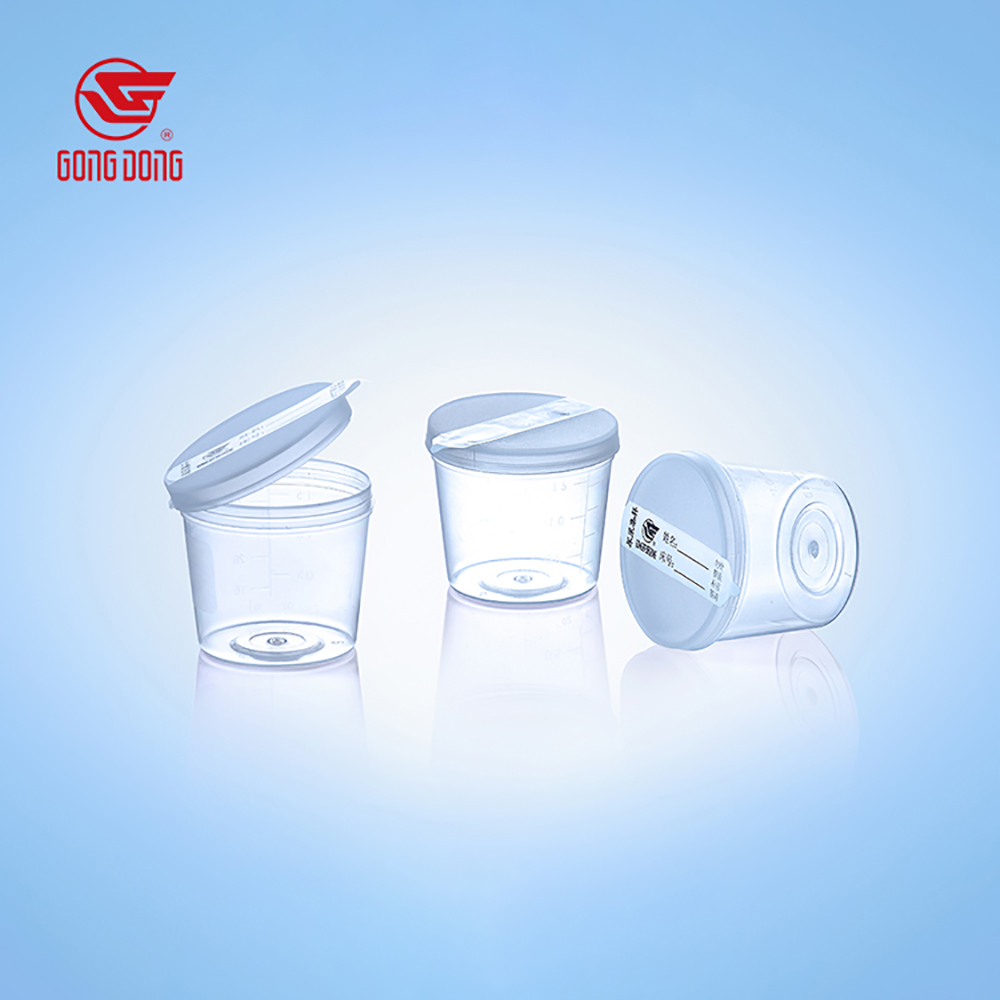
Non-sterile containers are typically used for routine tests like standard urinalysis. These containers do not require the same level of cleanliness as sterile containers because the test does not rely on the absolute purity of the sample. They are often more cost-effective and are widely used in many healthcare settings.
Disposable Urine Containers
These containers are designed for one-time use and are usually pre-sterilized before being sealed. They are ideal for clinical settings where convenience and hygiene are top priorities. Disposable containers reduce the risk of cross-contamination and eliminate the need for cleaning and reusing containers.
Specialty Urine Containers
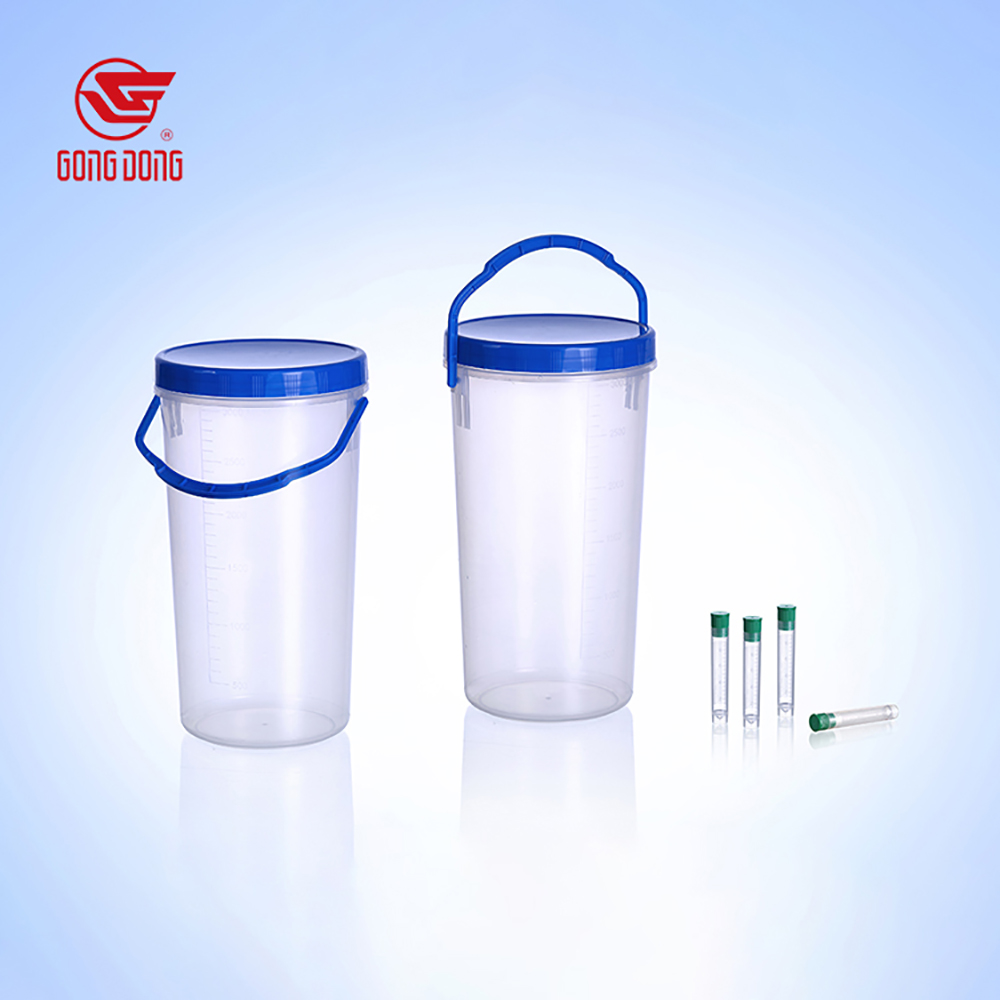
Certain tests, like 24-hour urine collection, require larger-capacity containers to collect urine over an extended period. These containers are designed to store large volumes, typically 3,000ml or more, to ensure the sample is complete and remains uncontaminated throughout the collection period.
Choosing the appropriate container depends on the type of test to be performed and the sample volume required:
For Routine Urinalysis
Non-sterile, small-capacity containers (usually between 60-100ml) are sufficient for most routine tests. These containers are easy to handle and provide enough volume for the necessary analysis.
For Urine Cultures
Always opt for a sterile container to avoid contamination that could affect the accuracy of the test. A sterile container is essential for cultures where microorganisms need to be identified without interference from external contaminants.
For 24-Hour Urine Collection
A large, durable container, often with a capacity of 3,000ml or more, is needed for collecting urine over a 24-hour period. These containers are designed to accommodate large volumes of urine and maintain sample integrity throughout the collection period.
For Pregnancy Tests or Drug Screens
Sterile containers are recommended for these tests to ensure that the sample is free from any potential contaminants that could alter the results.
Selecting the correct urine container based on the test type is crucial for maintaining the integrity of the sample:
Avoid contamination by choosing the appropriate container, such as using a sterile container for urine cultures or drug screenings.
Preserve the sample by ensuring proper storage, such as refrigerating samples that cannot be tested immediately.
Accurate results rely on the quality of the sample, which starts with using the right container for collection.
Proper urine sample collection is essential for accurate test results. This process involves preparation, using the correct collection method, and proper storage and labeling. Here’s a guide on how to collect a urine sample correctly:
Clean Hands: Wash your hands thoroughly with soap and water before handling the container to prevent contamination.
Select the Appropriate Container: Choose the right container based on the test (e.g., sterile for cultures, non-sterile for routine analysis). Ensure it’s clean, dry, and sealed if sterile.
Prepare the Area: For women, clean the genital area with a sterile wipe to remove contaminants. For men, clean the penis before collection to reduce contamination risk.
The midstream method avoids contamination from the initial or final urine flow:
Start Urinating: Begin urinating into the toilet to clear out the initial urine.
Collect the Sample: After a few seconds, place the container in the urine stream and collect the sample, making sure it doesn’t touch the genital area or any surfaces.
Finish Urinating: After collecting, finish urinating into the toilet.
This method ensures a cleaner, more reliable sample for testing.
Storage: If not immediately tested, refrigerate the sample to prevent bacterial growth. The sample should ideally be tested within 1-2 hours.
Labeling: Clearly label the container with the patient’s name, date, time of collection, and any other relevant details to avoid mix-ups.
Even with careful collection, issues can arise that affect the sample's integrity and test results. Here are solutions to common problems:
Solution: Ensure the container lid is securely closed and check for cracks or defects before use. Avoid excessive pressure on the container, which can cause leaks.
Solution: Keep the container opening away from surfaces. Clean the genital area before collecting, and avoid touching the container’s opening or lid.
Solution: Collect the recommended amount based on the container’s capacity. Use a larger container for tests requiring more volume, like 24-hour urine collection.
Solution: Refrigerate the sample if not tested within 1-2 hours. Avoid room temperature storage for long periods, and label the sample with the time and date of collection.
Urine Container
Urine Container
Urine Container
Urine sample collection is simple but common mistakes can affect the accuracy of the test results. Understanding these errors and taking proper precautions ensures the sample remains uncontaminated and reliable.
Contamination can lead to inaccurate results. To avoid it, follow these steps:
Clean the Genital Area: Before collecting, clean the genital area properly to reduce the risk of bacteria contamination.
Avoid Touching the Container: Handle the container by its sides and avoid touching the inside or lid to prevent introducing contaminants.
Use Sterile Containers for Cultures: Always use sterile containers for tests like urine cultures where contamination can interfere with results.
Keep the Container Opening Clean: Make sure the container’s opening does not touch your skin or any surfaces to avoid contamination.
These steps help ensure the sample is clean and accurate for testing.
Using the wrong container can lead to inaccurate or rejected results. Here's why it matters:
Sterile Containers for Cultures: For urine cultures, only sterile containers should be used to prevent bacterial contamination.
Non-Sterile Containers for Routine Tests: Non-sterile containers are suitable for regular urinalysis, as long as they are clean and intact.
Correct Capacity: Ensure the container holds the required volume for the test, such as larger containers for 24-hour collections.
Check Integrity: Always verify that the container is not expired and the seal is intact before use.
Answer: Use the midstream urine collection method, ensuring that urine is collected after the initial and before the final part to avoid contamination.
Answer: Ensure the container is sterile, wash your hands before the collection, and avoid the container opening from touching any surfaces or your body.
Answer: It’s not recommended, as household containers may not meet hygiene standards and could lead to contamination or affect test results.
Answer: Try to submit the sample as soon as possible. If you can’t, refrigerate the container and use it within 24 hours.
Accurate urine sample collection is essential for reliable test results and proper diagnosis. To collect a sample correctly, start by cleaning your hands and selecting the appropriate container based on the type of test. Use the midstream urine collection method to avoid contamination from the initial and final parts of urination. After collecting the sample, ensure it is properly labeled and stored, preferably refrigerated if it cannot be tested immediately. Avoid common mistakes, such as contamination or using the wrong container, to ensure the sample remains uncontaminated and valid for testing. By following these guidelines, you can ensure the sample’s integrity and contribute to accurate diagnostic results. For more information on high-quality medical products and sample collection solutions, visit Zhejiang Gongdong Medical Technology Co., Ltd. to explore their extensive range of products.