Views: 0 Author: Site Editor Publish Time: 2026-06-01 Origin: Site
Modern diagnostics depend on the tools used at the first step of patient care. Among them, the blood collection tube is one of the most important.
A blood collection tube is a sterile glass or plastic tube with a colored rubber stopper. It is designed to draw a fixed volume of blood and preserve the sample for laboratory testing.
The right tube helps protect diagnostic accuracy, workflow efficiency, and patient safety. For laboratory managers and healthcare networks, tube selection is also a supply chain and quality-control decision.
A vacuum blood collection tube works through a calibrated pressure difference.
Manufacturers remove a specific amount of air from the tube before sealing it. This creates negative pressure inside the tube. When the tube is attached to the needle assembly, the vacuum pulls blood into the tube.
The flow stops when the internal pressure balances with venous pressure.
This closed system provides several benefits:
The sample does not touch outside air.
The risk of airborne contamination is reduced.
Phlebotomists have less exposure to bloodborne pathogens.
The tube draws the correct blood volume.
The correct blood-to-additive ratio is maintained.
However, vacuum seals can weaken over time. If air slowly enters the tube during storage, the tube may draw less blood than required. This is known as a short draw.
Short draws can affect the chemical balance between blood and additive. Laboratories should monitor expiration dates and rotate stock properly.
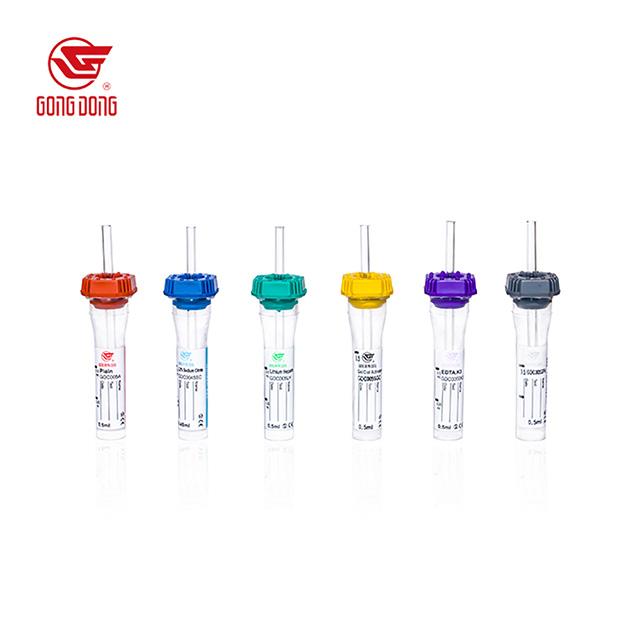
Blood collection tubes use standardized color coding.
The stopper color tells the phlebotomist which additive is inside the tube and what test it supports.
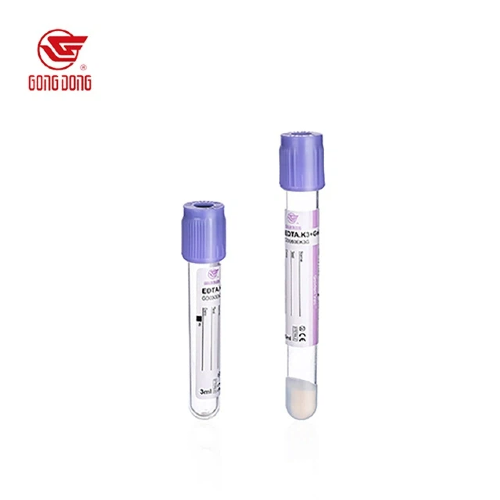
The EDTA tube contains potassium EDTA, usually K2 or K3.
EDTA works as an anticoagulant by binding calcium in the blood. This stops the clotting process and helps preserve the shape and size of blood cells.
EDTA tubes are commonly used for:
Complete Blood Counts, or CBC
Blood typing
Blood banking
General hematology testing
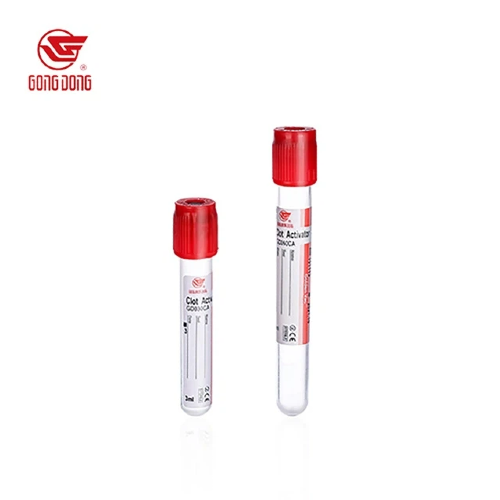
Serum tubes are designed to help blood clot.
Their inner walls often contain silica particles that activate clotting. Some serum tubes also include polymer gel. During centrifugation, the gel forms a barrier between serum and blood cells.
These tubes are commonly used for:
Chemistry profiles
Immunology testing
Serology testing
Serum storage after centrifugation
Light blue tubes contain liquid sodium citrate.
Sodium citrate prevents clotting by binding calcium, but this process is reversible. Labs can add calcium back later to measure clotting time.
These tubes require a precise 9:1 blood-to-additive ratio. A short draw can falsely prolong clotting results.
Coagulation tubes are used for:
PT/INR testing
APTT testing
Surgical coagulation evaluation
Blood-thinner dosage monitoring
Additive carryover is a common risk in phlebotomy.
When a needle enters one tube, it can pick up small traces of the additive inside. If the next tube is drawn in the wrong order, those traces may contaminate the next sample.
To reduce this risk, laboratories follow a standardized order of draw:
Blood cultures
Light blue coagulation tubes
Red or gold serum tubes
Green heparin tubes
Purple or lavender EDTA tubes
Gray fluoride/oxalate tubes
Breaking this sequence can affect test results. For example, EDTA carryover may create falsely high potassium results and falsely low calcium results.
Following the correct order helps reduce re-draws, delays, and diagnostic errors.
Tube material affects safety, transport, storage, and testing performance.
The two main material options are glass and PET plastic.
Glass tubes maintain vacuum well over long storage periods.
They are useful for certain trace-element tests or assays where plastic polymers may interfere. However, glass can break during transport, handling, or centrifugation.
This creates safety risks for staff and increases biohazard exposure.
PET plastic tubes are now widely used in daily laboratory workflows.
They are durable, lightweight, and shatter-resistant. This makes them safer for high-speed centrifugation and bulk transport.
The main limitation is gradual vacuum loss near the end of shelf life. Labs using PET tubes should enforce strict inventory rotation.
Choosing a blood collection tube supplier should involve more than unit price.
The supplier should provide consistent quality, clear documentation, and stable production capacity. Poor tube quality can lead to short draws, missing additives, analyzer jams, or delayed testing.
Important evaluation points include:
ISO 13485 certification
FDA clearance or regional regulatory approval
Clear lot numbers and expiration dates
Batch-to-batch consistency
Stable vacuum performance
Stopper quality and puncture performance
Compatibility with automated analyzers
Reliable lead times and production capacity
Before bulk purchasing, labs should request sample batches. Internal teams can test stopper puncture, vacuum performance, and analyzer compatibility.
For related product categories, Gongdong’s blood collection tube can help buyers compare suitable options for clinical and laboratory workflows.
Blood collection tubes play a direct role in diagnostic quality.
The right tube protects the sample, supports safe handling, and helps laboratories maintain efficient workflows. Tube type, additive, draw volume, material, expiration date, and supplier consistency should all be reviewed before purchase.
When selecting a supplier, labs should assess current defect rates, review short-draw issues, and confirm compatibility with their automated systems.
For blood collection tube requirements or procurement discussions, you can contact Zhejiang Gongdong® Medical Technology Co., Ltd. to share your project details.
A serum tube contains clot activators that allow blood to clot. After centrifugation, the remaining liquid is serum, which does not contain clotting factors.
A plasma tube contains an anticoagulant, such as EDTA or heparin. After centrifugation, the liquid is plasma, which still contains clotting proteins.
Vacuum blood collection tubes expire because their internal negative pressure gradually decreases.
Over time, small amounts of air can pass through the stopper or tube wall. This may cause the tube to draw too little blood and affect the blood-to-additive ratio.
No. Automated analyzers require specific tube dimensions.
Many systems are designed for standard sizes such as 13 × 75 mm or 13 × 100 mm. Tubes with irregular size or stopper shape may jam robotic transport systems.
Remove the tube and replace it with a new tube of the same type.
The first tube may have lost vacuum. If the second tube also fails, the needle may need adjustment, or the vein may have collapsed.