
Views: 42 Author: Site Editor Publish Time: 2026-01-05 Origin: Site
A serum separator tube (SST) and a red top tube are two commonly used blood collection tubes in clinical and laboratory settings, each designed to collect blood samples for testing. However, they differ significantly in their function, structure, and the way they separate serum from blood. Understanding these differences is crucial, as the choice of collection tube can significantly impact the accuracy and efficiency of test results.
In medical diagnostics, selecting the appropriate tube is essential for obtaining high-quality serum and ensuring reliable test outcomes. Serum separator tubes (SSTs) are specifically designed for fast, efficient serum separation, while red top tubes rely on natural clotting for serum extraction. This article explores the key differences between SSTs and red top tubes, highlighting their specific applications, benefits, and how each contributes to medical diagnostics and research. By comparing their advantages and suitable use cases, we aim to provide clarity on which tube to choose for specific diagnostic tests and research needs.
A serum separator tube (SST) is a specialized blood collection tube designed to separate serum from whole blood after collection. The primary function of an SST is to collect blood and enable the separation of the serum, which is the liquid component of the blood, from the solid blood cells. This separation is achieved through centrifugation, with the separator gel in the SST creating a barrier between the serum and blood cells.
Serum separator tubes are widely used in diagnostic testing, including biochemical, hormonal, and metabolic tests, because they provide clean and uncontaminated serum samples for accurate analysis.
A typical serum separator tube (SST) consists of the following components:
Tube: The SST tube is made from high-quality plastic or glass, which ensures durability and safe storage of the blood sample.
Separator Gel: The separator gel is the key feature of SSTs. It forms a physical barrier between the serum and blood cells during centrifugation, preventing contamination and ensuring clean serum for testing.
Clot Activators (Optional): Some SSTs include clot activators, which accelerate the clotting process, allowing for faster serum separation.
Component | Description | Function |
Tube | Plastic or glass material | Holds the blood sample during collection and centrifugation |
Separator Gel | Semi-solid gel material | Forms a barrier between serum and blood cells during centrifugation |
Clot Activators | Additives that accelerate the clotting process | Speeds up the clotting process, ensuring rapid serum extraction |
The process begins when blood is collected in the SST tube. The blood is allowed to clot, either naturally or with the help of clot activators. The tube is then placed in a centrifuge, where the spinning motion causes the blood components to separate based on their density. The separator gel forms a physical barrier between the serum and the blood cells, ensuring that only clean serum is obtained for testing. The serum is then extracted for use in diagnostic tests.
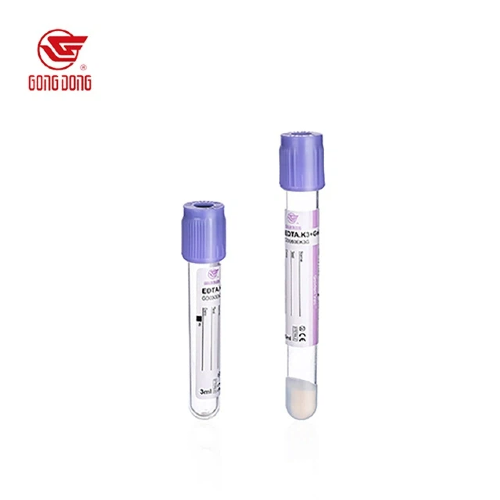
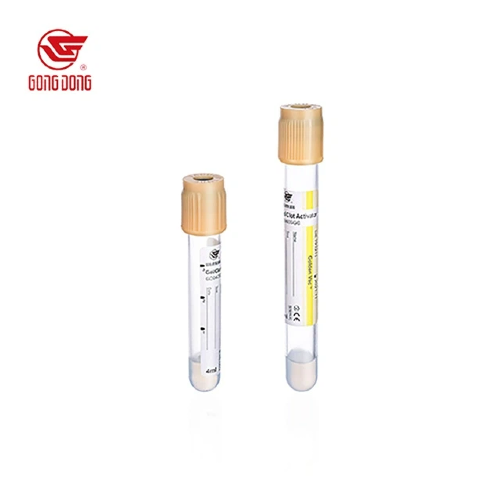
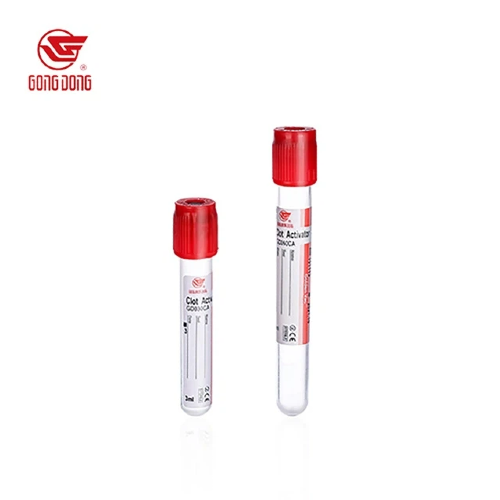
A red top tube is a blood collection tube without a separator gel. It is designed for blood collection where the serum must be obtained without the use of a separator gel. Red top tubes are also called plain tubes because they contain no additives or gel that aid in serum separation. They rely on the natural clotting process to separate serum from blood cells.
The red top tube is commonly used when natural clotting is needed, and it is ideal for tests that do not require the separator gel, such as tests where serum must be free of any additives or where the serum must be extracted manually after clotting.
The components of a red top tube are quite simple:
Tube: Made from high-quality plastic or glass, the tube is designed to hold blood during collection.
No Separator Gel: Unlike SSTs, red top tubes do not contain a separator gel.
No Additives: Red top tubes typically contain no additives or clotting agents, allowing blood to clot naturally.
Component | Description | Function |
Tube | Plastic or glass material | Holds blood sample for collection and natural clotting |
No Separator Gel | No gel material is included in the tube | Serum separation is achieved through natural clotting |
No Additives | No clot activators or other additives included | Relies on natural clotting for serum extraction |
When blood is collected in a red top tube, the blood clots naturally. The blood is allowed to sit undisturbed for a period to ensure that clotting occurs. After clotting, the tube is placed in a centrifuge to separate the serum from the clot and blood cells. The serum naturally rises to the top of the tube, where it can be extracted for use in diagnostic tests.
The most significant difference between serum separator tubes and red top tubes is the method used for serum separation. SSTs contain a separator gel that creates a barrier between the serum and blood cells during centrifugation, allowing for faster and more efficient serum separation. In contrast, red top tubes rely on the natural clotting process to separate serum, which may take longer and require more manual intervention.
Feature | Serum Separator Tube (SST) | Red Top Tube |
Separation Method | Separator gel forms a barrier during centrifugation | Natural clotting and centrifugation |
Time for Separation | Faster serum separation due to separator gel | Longer serum separation, relying on clotting time |
Automation Compatibility | Ideal for automated systems with quick separation | Suitable for manual processing |
Serum Quality | Cleaner serum with minimal contamination | Serum may have more cellular contamination |
Serum Separator Tubes (SSTs) contain a separator gel that facilitates faster serum separation, ensuring clean serum for testing without the need for manual intervention.
Red Top Tubes rely on natural clotting, which can take longer and may lead to more variability in the serum quality, as clot formation and serum separation are not as controlled.
SSTs: Due to the separator gel and centrifugation process, serum separation is quick and efficient, reducing processing time.
Red Top Tubes: Natural clotting takes longer, and the serum must be manually separated from the blood clot, which can increase overall processing time.
SSTs are typically used for routine diagnostic tests such as liver function tests, hormone assays, and glucose testing, where rapid and clean serum separation is required.
Red Top Tubes are often used for tests where serum extraction is needed without the interference of gel or additives. They are also used for tests that require serum without added substances.
Serum separator tubes are widely used in diagnostic testing. Some common applications include:
Liver Function Tests (LFTs): Used to measure enzyme levels such as ALT, AST, and bilirubin.
Glucose Testing: Serum is analyzed for glucose levels, which is essential for managing diabetes.
Hormonal Assays: Serum is tested for various hormones, including thyroid hormones, cortisol, and estrogen.
SSTs are used to monitor therapeutic drug levels, particularly in patients undergoing medication treatment where precise dosage adjustments are required.
SSTs are indispensable in clinical research for collecting clean serum samples required for drug development, biomarker studies, and genetic research.
Red top tubes are ideal for serum collection where no separator gel is needed. Some common uses include:
Serum Collection for Cholesterol Testing: Certain tests, such as serum cholesterol tests, can be performed using red top tubes, as they allow for serum extraction without gel interference.
Immunology Tests: Some immunology tests require serum free from additives.
Red top tubes are used in research settings where natural clotting is required. They provide an alternative for researchers who need serum without the addition of separator gels or clot activators.
In conclusion, both serum separator tubes (SSTs) and red top tubes are essential in medical diagnostics and laboratory research, each serving distinct purposes. SSTs are ideal for quick, efficient serum separation, providing clean and uncontaminated serum samples for accurate test results. On the other hand, red top tubes rely on natural clotting to extract serum, which can take longer and may require more manual intervention. The choice between SSTs and red top tubes depends on factors like test requirements, processing time, and whether automation or manual handling is preferred.
At Zhejiang Gongdong® Medical Technology Co., Ltd., we offer high-quality serum separator tubes designed to meet the rigorous demands of clinical diagnostics and research. Our products ensure fast, reliable, and contamination-free serum separation. If you are looking for efficient solutions to streamline your testing processes, we encourage you to reach out to us for more information or to discuss how our products can support your needs.
The main difference is that serum separator tubes (SSTs) contain a separator gel that facilitates quicker serum separation, while red top tubes rely on natural clotting for serum extraction.
While red top tubes can be used to collect serum, they are slower in separating serum compared to serum separator tubes (SSTs), which are preferred for tests that require clean serum quickly.
Serum separator tubes provide quicker and cleaner serum separation with minimal manual intervention, making them ideal for routine diagnostic tests that require rapid results.
Yes, some tests, such as cholesterol testing and immunology tests, may require the use of red top tubes to obtain serum without separator gel or additives.
Red top tubes typically take longer for serum separation because they rely on natural clotting. In contrast, serum separator tubes (SSTs) provide faster separation due to the use of separator gel and centrifugation.


