Views: 0 Author: Site Editor Publish Time: 2026-02-02 Origin: Site
Accurate liquid measurement is vital in every lab. Mohr and Serological pipettes are two commonly used tools for this purpose. While both serve essential roles, they each excel in different areas. In this article, we will explore the key differences between Mohr and Serological pipettes. You will learn when to use each one based on your specific needs.
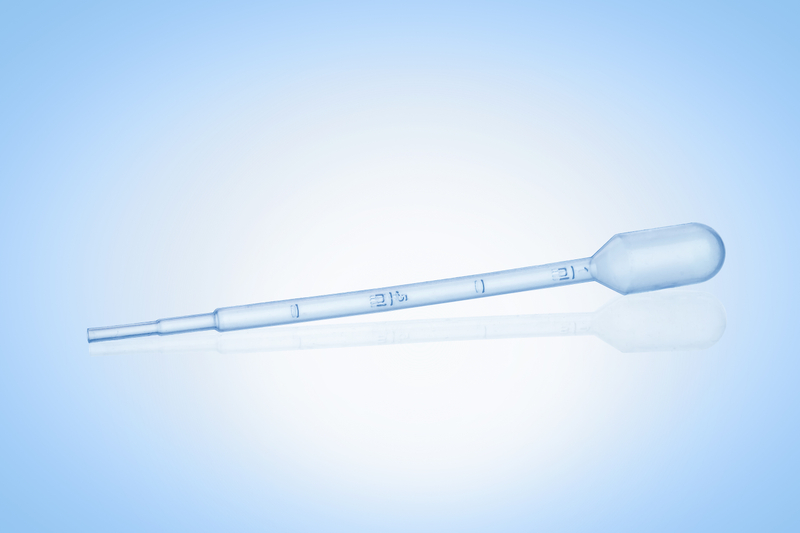
A Serological Pipette is a type of volumetric pipette primarily used for transferring liquids in laboratory settings. Unlike other pipettes, it is designed with graduated markings along its length to measure various volumes, often ranging from 1mL to 50mL or more. The primary advantage of the Serological Pipette is its ability to handle different liquid volumes precisely, which is essential for biological and chemical research.
Serological Pipettes are frequently used in tasks such as:
● Cell culture: Transferring media in cell growth experiments.
● Titration: Adding reagents in controlled amounts.
● Medical testing: Measuring blood or serum for diagnostic procedures.
Their versatility makes them a common tool in laboratories performing research in microbiology, biochemistry, and molecular biology.
Serological Pipettes are designed with the following features:
● Graduation marks: Distributed along the entire length of the pipette, allowing for variable volume measurement.
● Aspiration tip: The wide end of the pipette allows for liquid aspiration, making it suitable for handling liquids in various viscosities.
● Material: Made of glass or plastic, with plastic being the more common and cost-effective option.
These features make Serological Pipettes ideal for handling larger volumes of liquid and offering flexibility in precise measurement.
A Mohr Pipette is a type of graduated pipette that is typically used for transferring precise volumes of liquid. Unlike the Serological Pipette, the Mohr Pipette has graduations only on the upper portion, and its tip is not tapered to allow for aspiration. Mohr Pipettes are particularly effective in delivering fixed, specific volumes of liquid with high accuracy.
Mohr Pipettes are often used in applications requiring highly accurate volume measurement, such as:
● Titration: Delivering precise amounts of titrant.
● Calibration experiments: Ensuring specific amounts of solutions are added to an experiment.
● Chemistry labs: Transferring liquids where fixed volume delivery is critical.
Because Mohr Pipettes provide higher precision for small, fixed volume measurements, they are favored for tasks like titration, where accuracy is essential.
The key features of Mohr Pipettes include:
● Non-tapered tip: Unlike Serological Pipettes, Mohr Pipettes have a straight tip.
● Limited graduation: Only the upper half of the pipette is graduated, which limits its use for only fixed volume measurements.
● Precision: Known for delivering specific amounts of liquid with high accuracy.
These features make Mohr Pipettes ideal for applications where a specific amount of liquid needs to be delivered with precision.
The accuracy between Mohr and Serological Pipettes varies primarily due to their design.
● Mohr Pipettes: Designed for precise, small-volume liquid transfers, Mohr Pipettes offer higher accuracy for fixed volumes.
● Serological Pipettes: Provide flexibility for larger volumes but may not offer the same level of precision for very small quantities.
Tip: When you require highly accurate small-volume transfers, the Mohr Pipette is often the better choice, while Serological Pipettes are more suited for larger, flexible volumes.
Mohr and Serological Pipettes differ in the way they are graduated:
● Mohr Pipettes: Have graduation marks only on the upper portion, limiting their use to fixed volumes.
● Serological Pipettes: Have markings along the entire length of the pipette, allowing for variable volume measurements.
Table 1: Graduation Marks Comparison
Feature | Mohr Pipette | Serological Pipette |
Graduation Marks | Only on upper portion | Entire length of the pipette |
Flexibility | Fixed volume measurement only | Variable volume handling |
Common Use | Titration, precise volume tasks | Media preparation, cell culture |
This design difference influences their application in different types of experiments.
Both pipettes handle varying volume capacities, but there are distinctions:
● Mohr Pipettes: Typically handle smaller volumes (e.g., 1mL to 25mL).
● Serological Pipettes: Can accommodate larger volumes, with some models capable of transferring up to 50mL or more.
Table 2: Volume Range Comparison
Feature | Mohr Pipette | Serological Pipette |
Volume Range | 1mL to 25mL | 1mL to 50mL or more |
Best Suited For | Small, precise transfers | Larger volume handling |
Common Volume | 5mL, 10mL, 25mL | 10mL, 25mL, 50mL |
Tip: If you're working with small, precise quantities, go for the Mohr Pipette. For larger, more flexible measurements, choose the Serological Pipette.
● Mohr Pipette: Best for precise transfers of specific volumes, often used in titration.
● Serological Pipette: Suitable for transferring larger volumes and liquid aspiration, with more flexibility in measurement.
Notes: The choice of pipette depends on the nature of your work. For high accuracy and small-volume precision, choose Mohr Pipettes. For larger, variable volume measurements, Serological Pipettes excel.
Mohr Pipettes are best suited for tasks where you need precision with fixed volumes. Common applications include:
● Titration: Adding specific amounts of titrant to react with a substance.
● Chemistry experiments: When the volume of liquid added must be controlled.
Mohr Pipettes are invaluable in settings where precise amounts of liquid are needed without much variation.
The advantages of using a Mohr Pipette include:
● High accuracy: Ensures that small amounts of liquid are transferred precisely.
● Control over fixed volumes: Perfect for experiments where the volume of liquid is critical, such as titrations.
Tip: When you need accuracy and fixed volume delivery, Mohr Pipettes are your best option.
Serological Pipettes are more versatile and are commonly used for transferring larger volumes of liquid. They are perfect for:
● Media preparation: For use in cell culture or microbiology experiments.
● Blood sample handling: Essential in clinical labs where larger amounts of liquid are often transferred.
Serological Pipettes offer several key benefits:
● Flexibility in volume handling: Can measure and transfer varying amounts of liquid.
● Efficiency for larger volumes: Ideal for situations where precise volume control isn’t as critical but volume capacity is essential.
1. Fill the Mohr Pipette with the liquid.
2. Use a pipette bulb to control the suction.
3. Transfer the desired amount by releasing the liquid slowly to the graduation mark.
4. Avoid over-delivery by being precise when stopping the flow.
1. Attach the pipette tip to the Serological Pipette.
2. Aspirate the liquid by drawing it into the pipette.
3. Dispense by controlling the flow to the required measurement.
4. Clean and sterilize after each use to avoid cross-contamination.
Note: Proper cleaning and maintenance of both pipettes are critical for accurate and hygienic results.
Understanding the differences between Mohr and Serological Pipettes is essential for laboratory professionals. While both are vital tools, each serves specific functions. Mohr Pipettes are ideal for precise, small-volume transfers, while Serological Pipettes excel in handling larger volumes with flexibility.Choosing the right pipette depends on the accuracy and volume requirements of your experiment. Experimenting with both will allow you to understand their strengths and select the one best suited for your needs.Whether you're handling small, precise volumes or large quantities, both Mohr and Serological Pipettes are essential tools in any laboratory. Explore their capabilities and make informed decisions based on your specific research needs. For high-quality pipettes, trust Zhejiang Gongdong® Medical Technology Co., Ltd. to provide the best laboratory solutions.
A: A Mohr Pipette is used for precise, small-volume measurements, typically with graduation marks only in the upper half. A Serological Pipette, on the other hand, has graduation marks along its entire length and is more versatile for larger volume transfers.
A: A Serological Pipette is ideal when you need to transfer larger volumes of liquid or handle varying amounts with flexibility. It is commonly used in cell culture, titration, and other laboratory procedures.
A: The Mohr Pipette is generally more accurate for small, fixed-volume transfers due to its precise graduation marks and non-tapered tip. The Serological Pipette offers flexibility but may not be as accurate for very small volumes.
A: While a Serological Pipette can be used in titration, it is better suited for transferring larger volumes. For high precision in titration, a Mohr Pipette is often the better choice due to its fixed volume delivery.