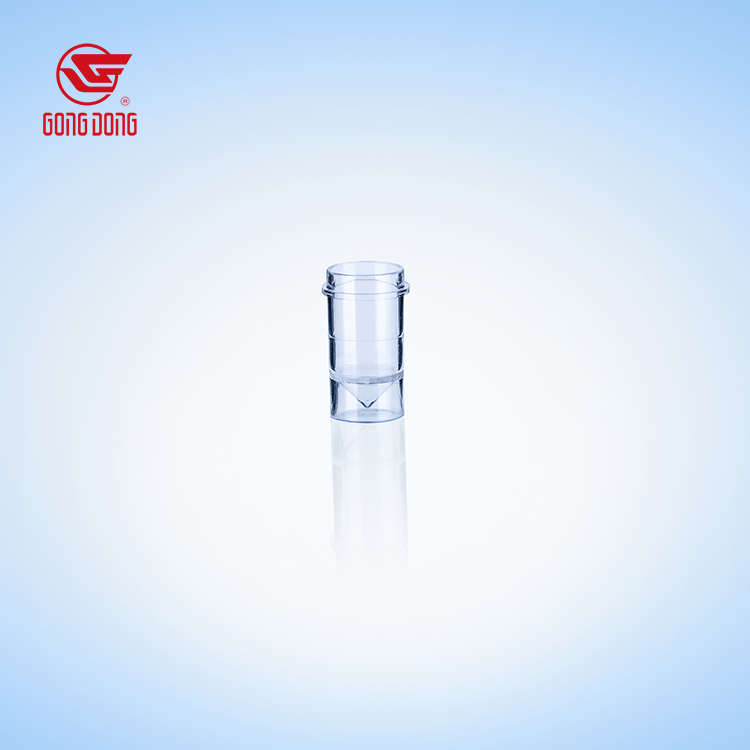
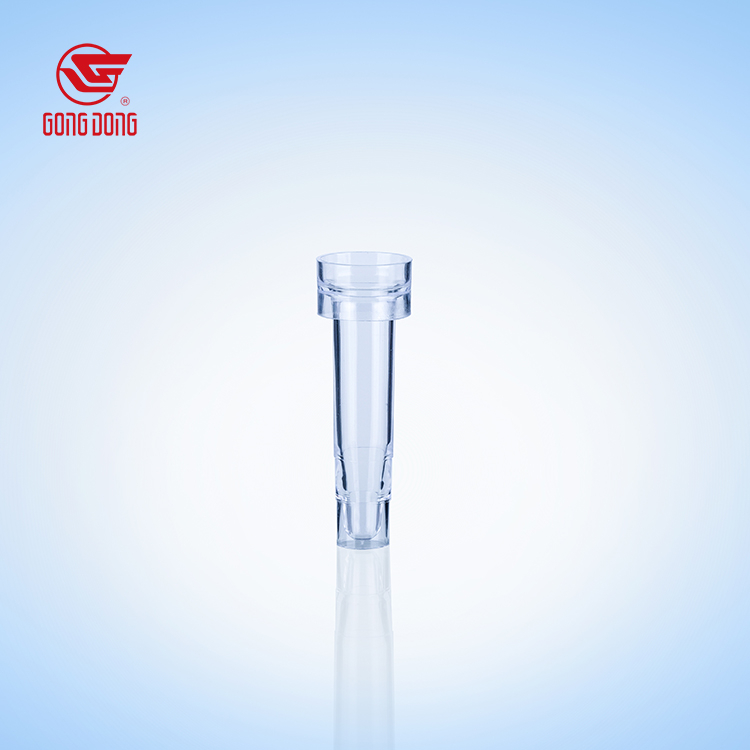
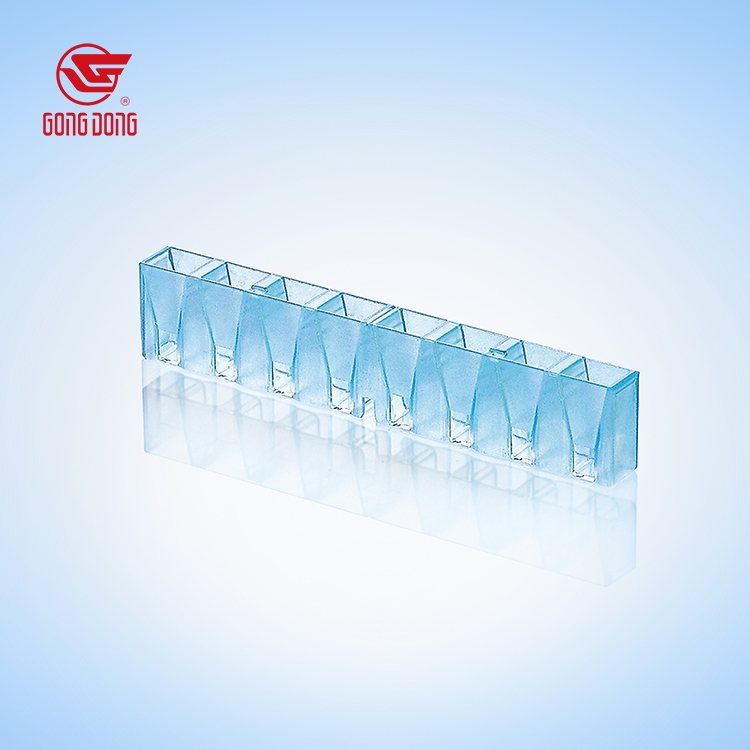
Cuvettes are essential components in laboratory testing and spectrophotometric analysis. These small, transparent containers are designed to hold liquid samples for optical measurement, allowing light to pass through the sample to determine its absorbance or transmittance. Because accuracy depends on optical clarity, understanding how to clean cuvettes properly is critical to maintaining reliable results in any laboratory. Improper cleaning can lead to contamination, light scattering, or residue buildup that alters readings and compromises analytical accuracy.
This comprehensive guide will explain the correct cleaning procedures, materials to use, and maintenance tips to keep your cuvettes in top condition. Whether you work in research, clinical diagnostics, or industrial testing, following proper cleaning techniques ensures consistent and reproducible results.
Before discussing how to clean cuvettes, it’s important to understand why cleaning is so vital. Cuvettes, like many other laboratory consumables, play a direct role in measurement accuracy. Any impurities on the cuvette walls—such as fingerprints, detergent residues, or dried chemical films—can interfere with the light path and distort readings.
For optical instruments, even microscopic smudges can scatter light, leading to measurement errors. Additionally, residues from previous samples can cause cross-contamination, especially when dealing with biological fluids or sensitive reagents. Clean cuvettes guarantee precise results and extend the life of both the cuvettes and the spectrophotometer.
Different materials require different cleaning approaches. Understanding the type of cuvette you are using helps determine the safest and most effective cleaning method.
Glass cuvettes are durable and offer excellent optical clarity. They can generally withstand strong cleaning agents but must be handled carefully to avoid scratches. Avoid using abrasive brushes or materials that could damage the optical surfaces.
Quartz cuvettes are often used for ultraviolet (UV) measurements due to their superior light transmission in the UV range. They are resistant to most solvents and acids but can be damaged by alkaline solutions. Always avoid strong bases when cleaning quartz cuvettes.
Plastic cuvettes, a popular option among modern laboratory consumables, are affordable and disposable. Some can be reused if properly maintained, but harsh chemicals and high temperatures can cause deformation or cloudiness. Always consult the manufacturer’s instructions before applying cleaning agents.
To properly clean cuvettes, prepare the following laboratory-grade cleaning materials:
Distilled or deionized water for rinsing
Mild detergent or non-ionic cleaning solution
Ethanol or isopropanol for final rinse and drying
Lint-free tissues or microfiber cloths
Soft cuvette brush (for glass types only)
Compressed air or nitrogen for drying
Avoid paper towels or rough fabrics, as they can scratch the optical surface and impair transparency.
Immediately after use, empty the cuvette of any residual sample. Dried residues are more difficult to remove later and can lead to permanent staining.
Rinse the cuvette thoroughly with distilled or deionized water. This removes most soluble residues before detergent cleaning. Avoid tap water since it can leave mineral deposits or impurities.
Add a small amount of laboratory-grade detergent or cleaning solution. For glass or quartz cuvettes, use a soft brush to gently scrub the interior walls. Plastic cuvettes should never be brushed—rinse gently instead to avoid scratching.
If stubborn residues remain, soak the cuvette in the cleaning solution for 10–15 minutes. For organic residues, use ethanol or a 70% isopropanol rinse. For protein contamination, an enzymatic cleaner may help dissolve biological material safely.
After cleaning, rinse the cuvette multiple times with distilled water until no detergent remains. Any residue left inside can interfere with optical measurements.
Perform a final rinse with ethanol or isopropanol to promote quick drying. Dry the cuvette using compressed air, nitrogen, or by placing it upside down on a lint-free surface. Avoid wiping the optical faces if possible to prevent scratches.
Even experienced laboratory professionals can damage cuvettes through improper cleaning practices. Below are common mistakes to avoid:
Using abrasive brushes or rough tissues that scratch the optical surface
Applying concentrated acids or bases without checking material compatibility
Allowing samples to dry inside the cuvette before cleaning
Using dirty or contaminated water for rinsing
Overheating during drying, especially for plastic cuvettes
Preventing these errors extends cuvette life and maintains optical clarity, reducing the need for replacements and ensuring consistent accuracy.
Proper handling and storage are just as important as cleaning. Always hold cuvettes by their frosted sides or edges to prevent fingerprints on optical windows. Store cleaned cuvettes in dust-free containers or protective cases.
Avoid stacking cuvettes directly on top of each other, as contact may cause scratches. Label storage boxes clearly to separate cuvettes used for different sample types, such as proteins, chemicals, or biological fluids, minimizing cross-contamination.
In some cases, cuvettes may have persistent stains or residues that standard cleaning cannot remove. Here are special methods depending on the type of contamination:
Soak in a mild enzymatic detergent or a solution containing 1% sodium hypochlorite for a few minutes. Rinse thoroughly afterward to remove all traces of chlorine.
Use ethanol, methanol, or acetone (for quartz or glass cuvettes only). For plastic cuvettes, avoid strong organic solvents.
A dilute acid solution, such as 0.1 M hydrochloric acid, can help remove inorganic residues. Never use hydrofluoric acid, as it can etch the glass surface.
After special cleaning, always rinse thoroughly with deionized water and dry completely.
Cuvettes, though small, play a vital role in achieving consistent analytical accuracy. In laboratories that handle multiple laboratory consumables, cuvettes stand out for their direct influence on optical precision. Clean, well-maintained cuvettes ensure repeatable measurements, critical for clinical testing, chemical analysis, and research validation.
Whether used in spectrophotometers or fluorometers, properly cleaned cuvettes help maintain instrument calibration, ensuring your lab achieves reliable and reproducible data every time.
Regular maintenance and proper cleaning routines significantly extend the usable life of cuvettes. Here are a few practical tips:
Clean immediately after each use
Rinse with distilled water before and after every sample
Avoid direct contact with sharp instruments
Use cuvettes dedicated to specific reagents
Inspect regularly for scratches, cracks, or cloudiness
Replacing damaged cuvettes promptly prevents erroneous results and protects expensive lab equipment from potential optical interference.
Knowing how to clean cuvettes correctly is essential for every laboratory professional. By following proper cleaning methods, using suitable reagents, and maintaining careful handling, you can ensure long-term precision and consistency in analytical work. Clean cuvettes contribute directly to better data accuracy and efficiency across a wide range of applications—from clinical diagnostics to scientific research.
As a trusted manufacturer of Laboratory Consumables, Gongdong offers high-performance cuvettes designed for optical clarity, chemical resistance, and dimensional consistency. Produced in ISO-certified cleanrooms using advanced molding technology, Gongdong’s cuvettes deliver reliable results for professionals worldwide. With over 40 years of expertise and a comprehensive product range including petri dishes, pipette tips, and specimen containers, Gongdong supports laboratories in achieving accuracy, safety, and global compliance. For technical details or partnership inquiries, contact Gongdong to discover dependable solutions for modern laboratories.
What is the best way to dry cuvettes after cleaning?
Allow the cuvettes to air-dry inverted on a lint-free surface or use compressed air. Avoid wiping optical surfaces with tissues to prevent scratches.
Can I use acetone to clean cuvettes?
Acetone can be used for quartz or glass cuvettes but should never be applied to plastic cuvettes as it may cause clouding or deformation.
How often should cuvettes be cleaned?
Cuvettes should be cleaned immediately after each use to prevent residues from drying and becoming difficult to remove.
Why do my cuvettes appear cloudy after cleaning?
Cloudiness may result from mineral residues, detergent films, or micro-scratches. Ensure thorough rinsing with distilled water and handle only by the frosted edges.
Are disposable plastic cuvettes reusable?
Some high-quality plastic cuvettes can be reused with proper cleaning, but most are designed for single use to prevent contamination and maintain measurement accuracy.