Views: 0 Author: Site Editor Publish Time: 2026-04-13 Origin: Site
When it comes to collecting urine samples for medical testing, the container used plays a crucial role in ensuring the accuracy and integrity of the sample. While it may seem convenient to use any available container, medical tests, especially those related to the urinary system, require specialized urine containers that are designed for this purpose. In this article, we will explore the importance of using the correct urine container, the risks of using regular containers, and the potential impact on diagnostic outcomes. We will also address when it may be acceptable to use a regular container and why choosing the right container is critical for accurate test results.
One of the biggest risks of using a regular container instead of a designated urine container is contamination. Urine samples can be easily contaminated by bacteria, dust, or residues left in a non-sterile container. Contamination may introduce foreign substances into the sample, which can alter the results of tests like urine cultures or drug screenings. For example, a urine culture designed to detect urinary tract infections (UTIs) may show false positives if bacteria from the container itself contaminate the sample. In such cases, patients may be wrongly diagnosed and prescribed unnecessary treatments, or worse, fail to receive the correct diagnosis.
Urine containers are designed to be leak-proof, ensuring that the sample remains intact during transport to the laboratory. Regular containers, on the other hand, are not built to securely hold liquids for extended periods. Even if the container is sealed, it may not prevent leakage due to pressure, movement, or inadequate sealing. This could result in the loss of the sample or contamination from external sources. Such issues could lead to inaccurate or invalid test results, and in some cases, a new sample may need to be collected, delaying diagnosis and treatment.
Urine containers are specifically designed to hold the appropriate volume of urine required for testing. Using a regular container that is too small or too large for the sample could result in issues with testing accuracy. If too little urine is collected, some tests may not be able to produce meaningful results. Conversely, if the container overflows, contamination may occur, or there may be insufficient urine for certain types of tests, such as 24-hour urine collections or drug screenings.
Urine containers are designed with specific features to ensure the sample remains uncontaminated and accurate. These features include:
Feature | Urine Containers | Regular Containers |
Sterility | Sealed and sterile to prevent contamination | May not be sterile, increasing risk of contamination |
Leak-Proof Design | Designed to prevent leakage during transport | May not prevent leaks, compromising sample integrity |
Secure Lid | Tight-fitting lid to prevent spillage and contamination | Lid may not seal properly, allowing contamination |
Proper Volume | Designed to hold a specific amount of urine for tests | May not be the correct size for accurate sampling |
Labeling Area | Clear space for patient information and test details | May not have a designated area for proper labeling |
The key difference lies in the design of the container itself, which is tailored to maintain sample purity. Sterile urine containers are essential for tests that require the highest level of accuracy, including urine cultures and drug screenings. These containers ensure the sample is not compromised by external contaminants, preventing issues like false positives or inaccurate diagnoses.
Sterile urine containers are sealed in a way that prevents exposure to external elements. After sterilization, containers are packaged in airtight seals that maintain their sterility until they are ready for use. This is crucial because any exposure to non-sterile environments, such as an open room or handling by unclean hands, can introduce harmful bacteria or fungi, potentially altering the sample’s composition. Regular containers lack such protection and may expose the sample to contaminants even before it is used.
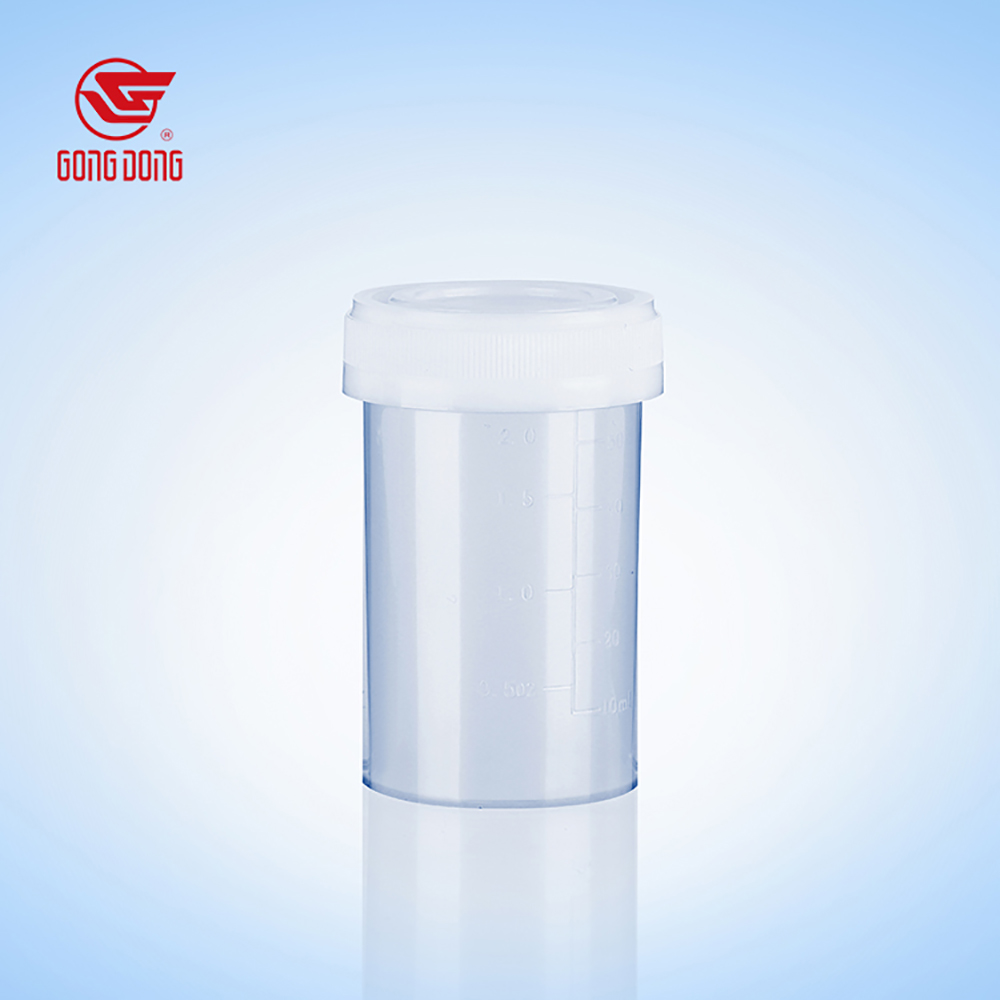
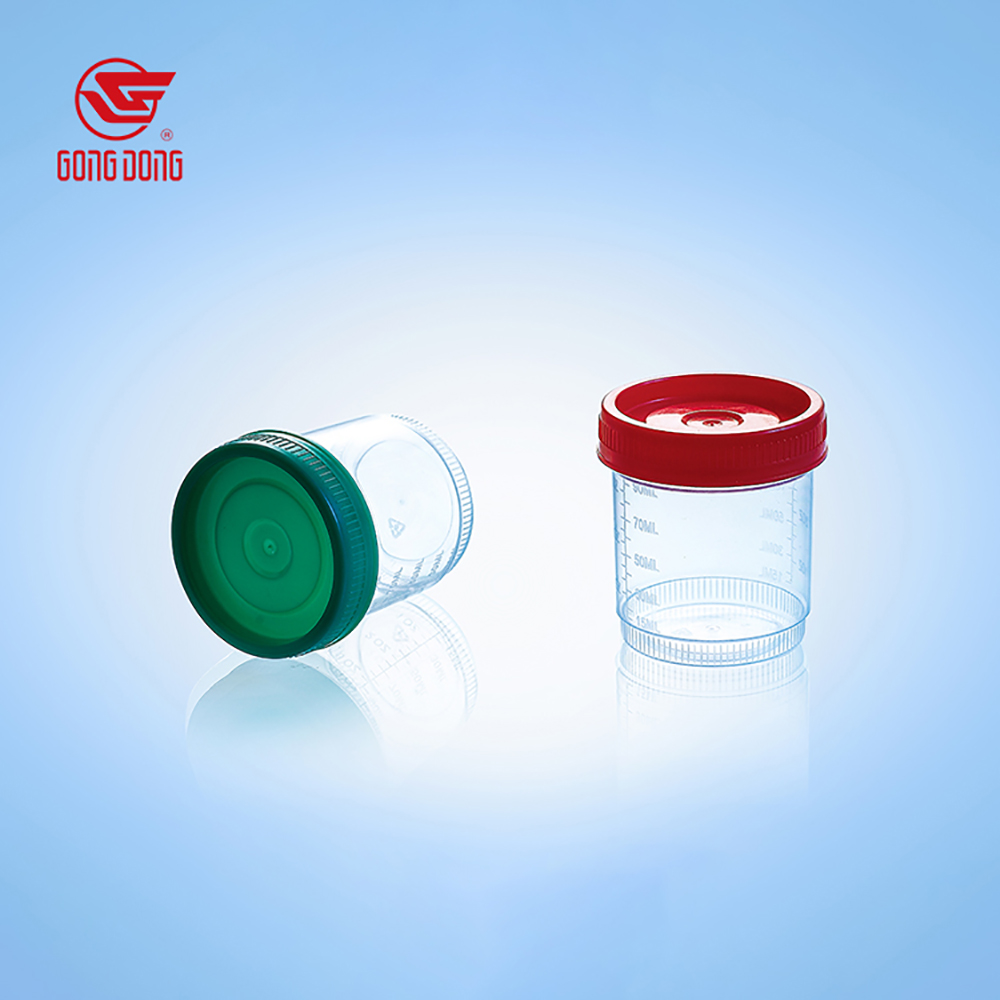
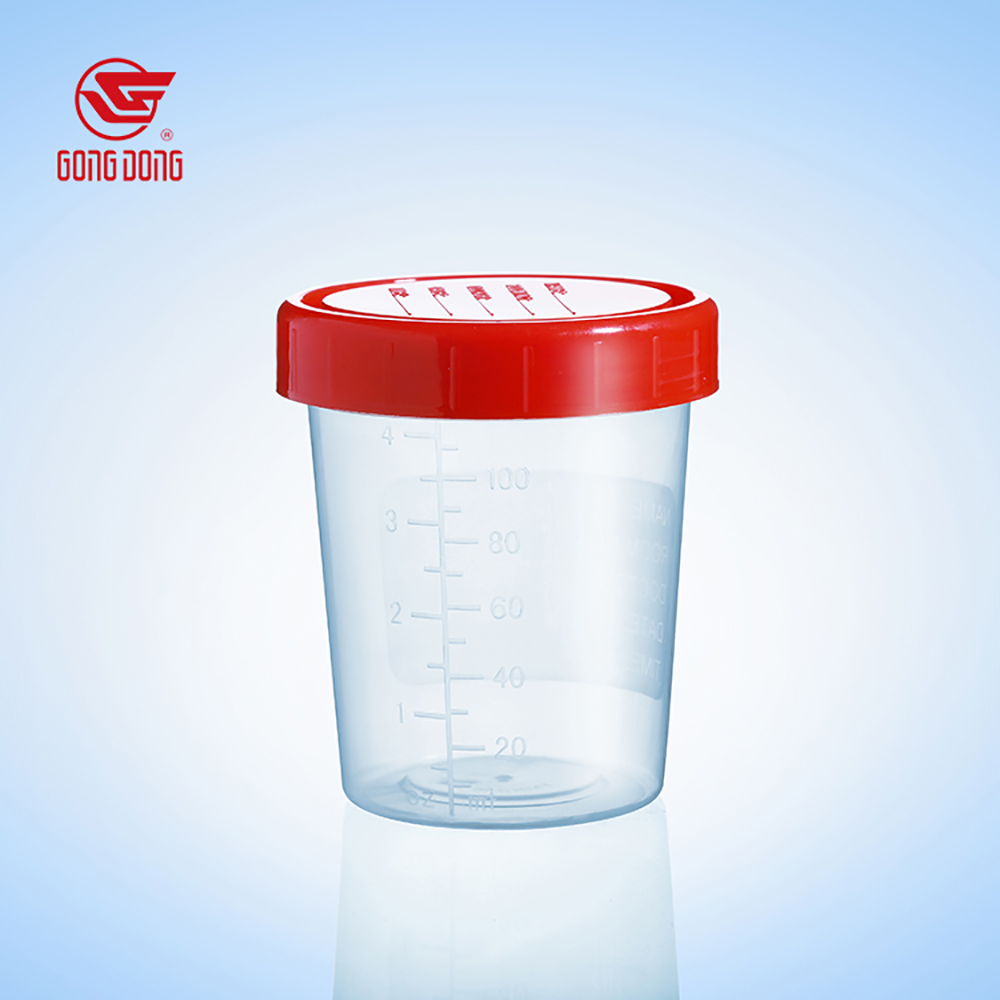
Urine Container
Urine Container
Urine Container
Certain tests, especially those that require highly accurate and uncontaminated samples, necessitate the use of sterile urine containers. These tests include:
Urine cultures are performed to detect infections like urinary tract infections (UTIs). A sterile container is crucial for ensuring the sample is free from external bacteria that could introduce contamination. If a non-sterile container is used, the sample may become contaminated by bacteria present in the container or from the environment. This could lead to false-positive results, causing unnecessary treatments or a delay in identifying the actual infection. Accurate detection of the infecting pathogen is vital for selecting the right antibiotic and managing the infection effectively.
Drug screenings require urine samples to detect substances like narcotics, alcohol, and other drugs. Sterile containers ensure that the sample remains uncontaminated by external substances that could interfere with the results. For example, contaminants from a non-sterile container might introduce chemicals or residues that distort the test results, leading to incorrect conclusions. A false positive or negative result could have significant legal, medical, and personal consequences, which is why sterility is critical for accurate drug testing.
Sterile containers are also essential for tests related to kidney function, diabetes, and other metabolic disorders. These tests often measure the presence of specific proteins, glucose, or other compounds in the urine. Any contamination in the sample could alter the results, leading to a misdiagnosis or delayed treatment. For instance, a kidney function test that detects albumin or glucose levels in the urine could provide misleading results if the sample is contaminated, potentially delaying the diagnosis of conditions like chronic kidney disease (CKD) or undiagnosed diabetes. Properly collected and uncontaminated samples ensure the most accurate assessment of a patient’s condition, allowing for timely and appropriate medical intervention.
In certain situations, using a regular container for urine sample collection may be acceptable, though these instances are relatively rare. For less critical tests or tests that do not require high accuracy, a regular container could be used. However, even in these cases, it’s essential to ensure the container is clean and that the sample is handled properly to avoid contamination. Below are examples where regular containers might be acceptable, but caution should always be exercised.
For routine urine analysis, a non-sterile, clean container may sometimes be acceptable. These tests are typically done to check for general markers such as protein, glucose, or specific gravity in the urine. While routine urinalysis does not typically require the high level of precision needed for more critical tests like urine cultures or drug screenings, it still carries a risk of contamination when using a regular container. Even a small amount of external bacteria or debris can affect the test results, especially for parameters that require close measurement. Therefore, even for routine analysis, it’s important to minimize contamination by ensuring the container is as clean as possible and by following proper collection techniques, such as cleaning the genital area before the sample is collected.
Some home test kits may provide a regular container for collecting urine samples. These kits are designed for testing conditions such as urinary tract infections, pregnancy, or glucose levels in the urine. The instructions typically emphasize cleaning the genital area before collection to minimize contamination risks. While these tests are designed for convenience, and some may not require the same level of accuracy as those performed in a clinical setting, it is still recommended to use a sterile container for tests that require high accuracy. For instance, when using home kits for drug screening or pregnancy tests, it’s best to use sterile containers to avoid any interference that could compromise the results.
Answer: Yes, a regular container can introduce contaminants into the sample, leading to false positives or inaccurate results, which may result in an incorrect diagnosis or unnecessary treatments.
Answer: Drug screenings require the highest accuracy, and contamination from non-sterile containers can introduce substances that interfere with the results, leading to false positives or negatives.
Answer: Tests like urine cultures, drug screenings, and tests for kidney or metabolic disorders require sterile containers to ensure the sample remains pure and accurate.
Answer: If a non-sterile container is used, the sample may need to be discarded, and a new one should be collected in a sterile container to ensure the test results are valid.
The selection of the appropriate container is crucial for accurate and reliable urine testing. Sterile urine containers are specifically designed to maintain the integrity of the sample, preventing contamination and ensuring that tests like urine cultures and drug screenings provide accurate results. Using a regular container, on the other hand, increases the risk of contamination, leakage, and incorrect sample handling, which can lead to misdiagnoses, unnecessary treatments, or missed conditions. By using the correct urine container for each test, healthcare providers can ensure that test results are valid and that patients receive the most accurate diagnosis and appropriate treatment. It is always best to use a container specifically designed for urine collection, especially for tests requiring the highest level of accuracy. For high-quality sterile containers and other medical products, visit Zhejiang Gongdong Medical Technology Co., Ltd. to explore their wide range of solutions.